Moroccan cuisine is one of the world's most celebrated: a fragrant blend of Berber, Arab, Andalusian and Mediterranean influences in which every dish tells a story. Here is what to eat in Morocco, when each dish is traditionally enjoyed, and the best way to take a little of this cuisine home with you.
Moroccan dishes you must try
Tagine
The word means both the dish and the clay pot with a conical lid in which it slowly simmers. Among the great classics are lamb with prunes, sweet and savoury, and chicken with preserved lemon, which is tangier.
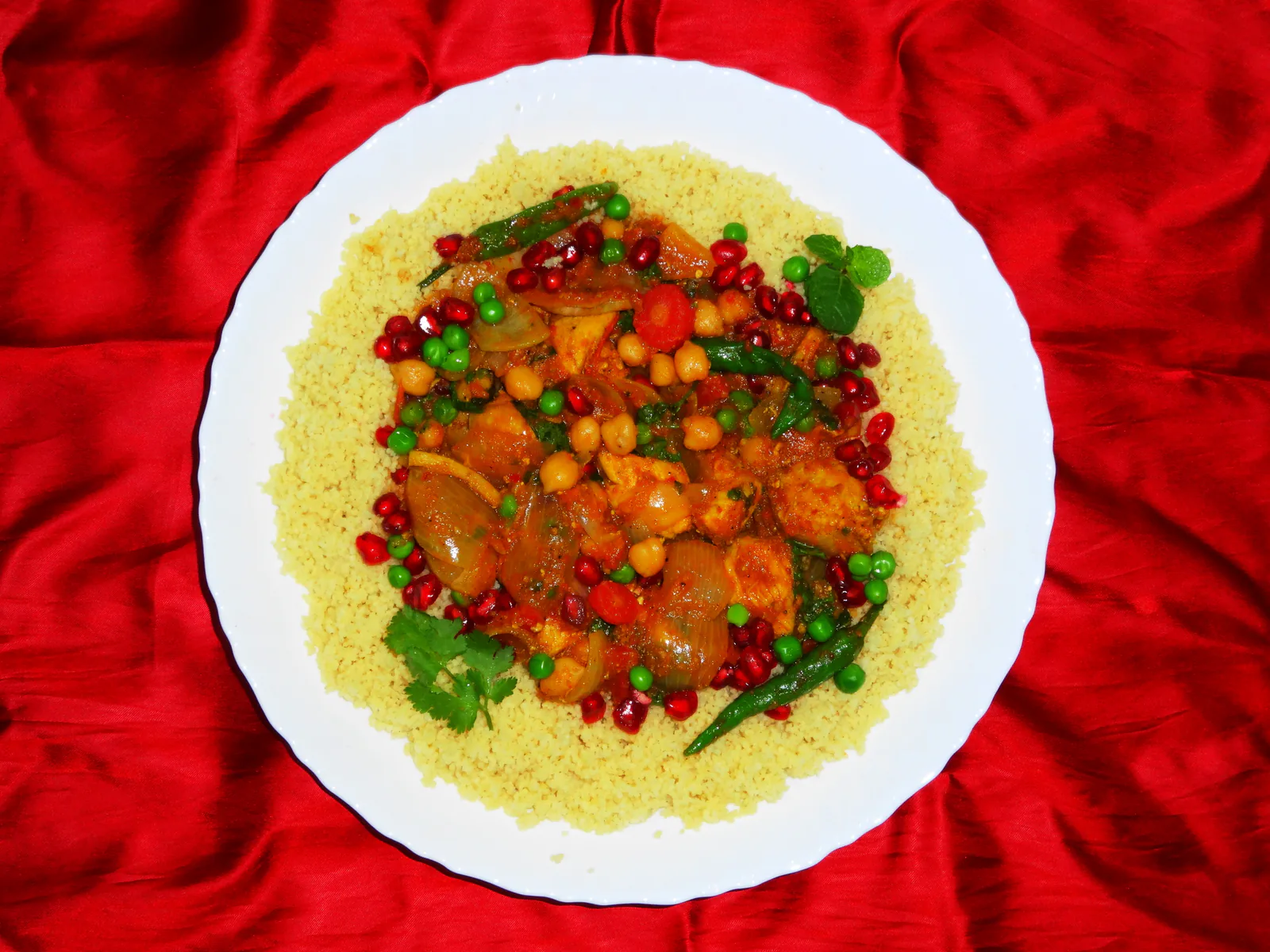
Couscous
Widely considered the national dish, couscous is traditionally served on Fridays, with the whole family around the table. The semolina is steamed until light and fluffy, then served with its vegetables and meat.
Pastilla
This pie of very thin, flaky pastry plays on the contrast between sweet and savoury: a fragrant poultry filling lifted with cinnamon. A generous dish, made for sharing.
Harira
A comforting tomato and lentil soup, harira is closely tied to Ramadan: in many homes, it is the dish that breaks the fast at sunset.
Mint tea, a ritual in itself
Don't leave Morocco without a glass of sweet mint tea. Pouring it from a height is part of the experience, and accepting a glass also means accepting a moment of hospitality.
What to eat on the street in Marrakech
In the evening, Jemaa el-Fnaa turns into a vast open-air restaurant. Grilled skewers and freshly squeezed orange juice make the perfect evening snack. Choose the busiest stalls, where the food turns over quickly, and let the aromas guide you. To discover the rest of the city, browse our top 10 things to do in Marrakech.
Table customs worth knowing
Bread accompanies almost every meal and is often used to pick up food.
In traditional settings, people eat with the right hand.
During Ramadan, the rhythm of meals revolves around breaking the fast.
Take a cooking class
The best souvenir is a skill. A half-day class teaches you to balance the spices that define Moroccan flavour (cumin, ginger, saffron and ras el hanout) and, more often than not, to prepare your own tagine.
Bring home some spices
In the souks, the spice stalls are a feast for the eyes. Ras el hanout, an emblematic blend whose recipe varies from one seller to the next, is the ideal souvenir for recreating your favourite dishes at home. Ask the seller to explain the blends, smell before you buy and, as everywhere in the souks, agree on the price in advance.
Make the most of it
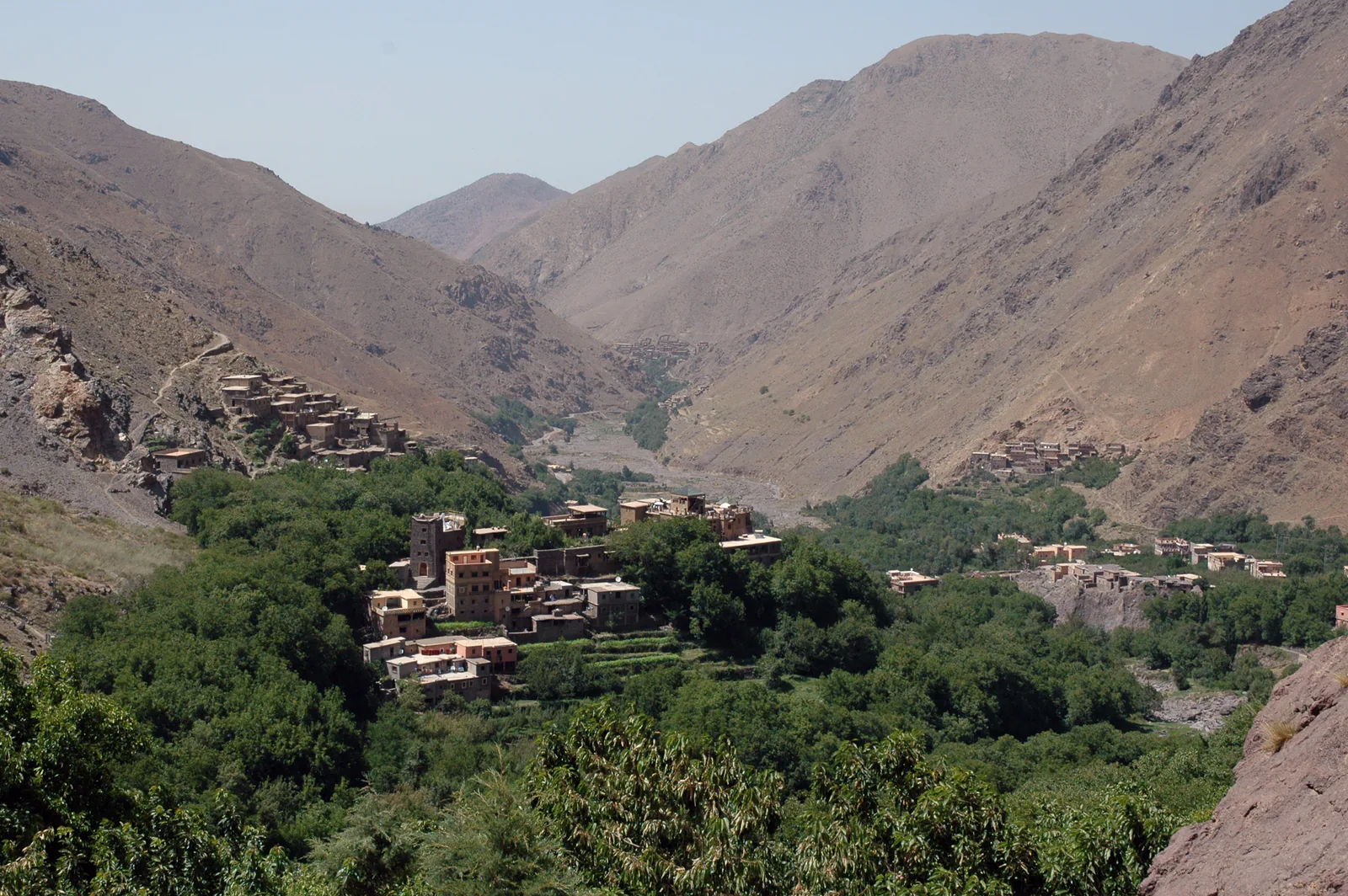
On an Atlas Mountains day trip, a traditional Berber lunch is a chance to taste the cooking of the mountain villages. And to travel with peace of mind, read our essential tips for first-time visitors to Morocco.